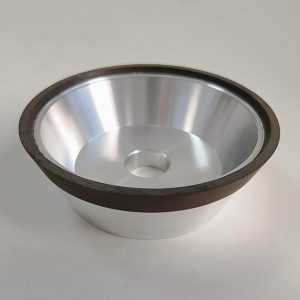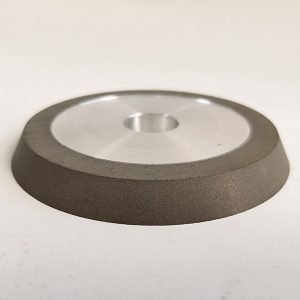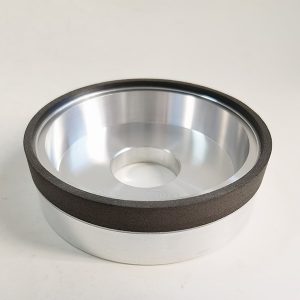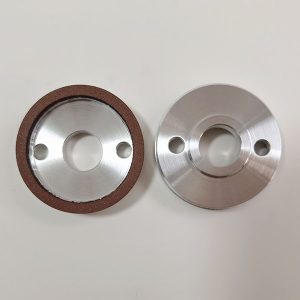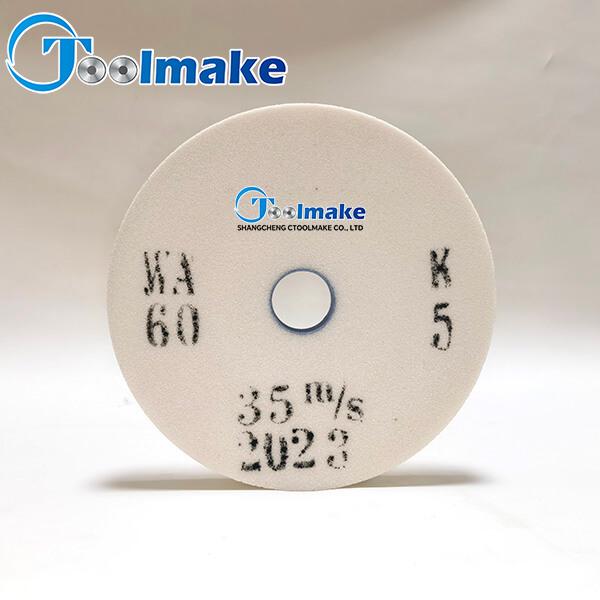
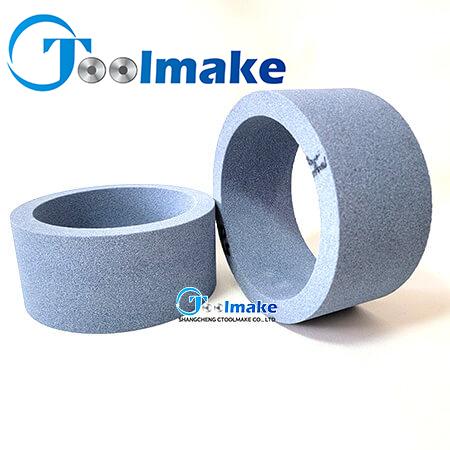
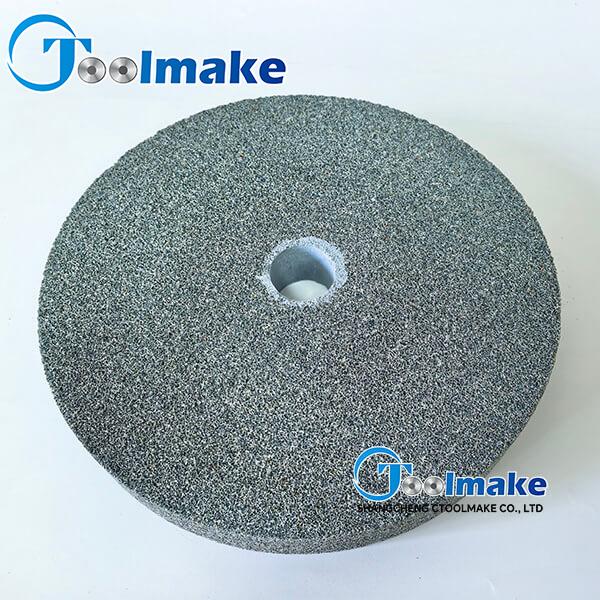
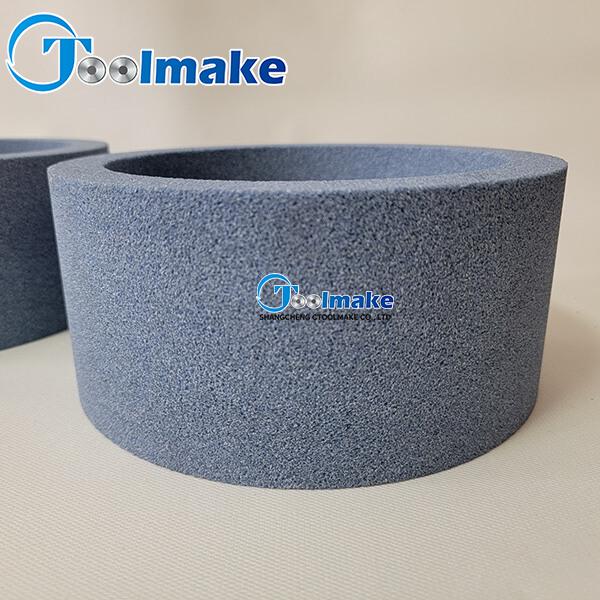
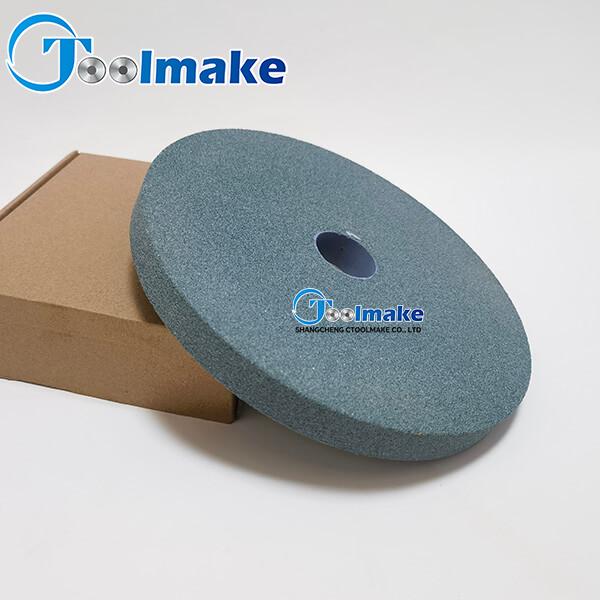
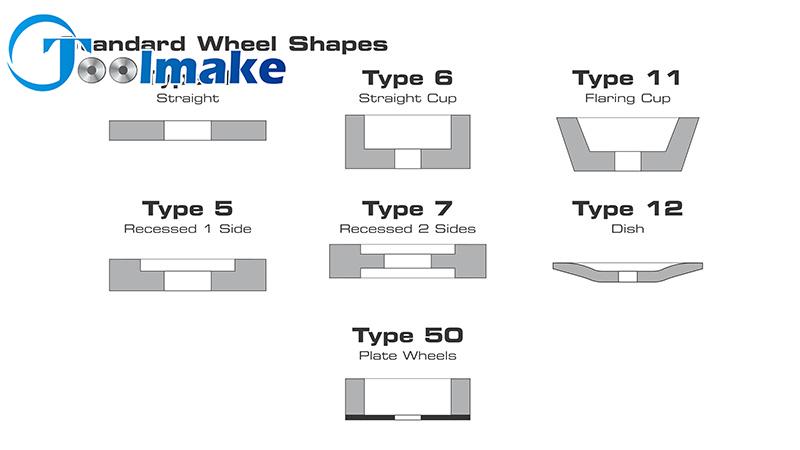

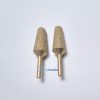
SELECTING THE PROPER WHEEL-Alumina grinding wheels and silicon carbide grinding wheels;
Even though most industrial applications are accurately specified and the best grinding wheels are used in order to reach the best efficiency of grinding operation, there are many non-standard operations for which we would like to give you some guideline in order to help you choose the best wheel for each operation:
The type of the wheel must be chosen mainly in respect to:
a) The material to be processed b) The kind of operation c)required surface finish;
The type of the wheel is characterized above all by these parameters:
1. Kind of the abrasive material
2. Grit of the abrasive material
3. Hardness of the wheel
4. Structure(porosity)of the whee
5. Type of the bonding agents
How these parameters determine the suitability for grinding operation:
ad 1) Abrasive material, in general;
Oxide Aluminium: Brown Corundum(A), White Corundum(WA), Pink Corundum(PA)
suitable for grinding: steel, alloyed steel, cast steel
Silicon carbide: Green Silicon Carbide(GC), Black Silicon Carbide(C)
suitable for cast iron, light metals, Widia, glass/ceramics/stone, plastics, rubber,
ad 2): Grit influences mostly the finish of the surface and MRR (metal removal)
ad 3): Hardness: The harder is the ground material, the softer the wheet
ad 4): Structure: Higher numbers of the structure are necessary, when the wheel begins
to bum the ground material.
Open structures (9 to 16) with great amount of pores are useful for hard metals
ad 5): Bond influences mostly the strength of the wheel – working speed
Vitrified ceramic bonds are the most common bonding agents Resin bonds render the wheel high strength and working speed Rubber bonds are useful for special operations.